
Wazup Global Airport, Train & Cruise Port Transportation



Global Transportation Service
Will your chosen vehicle actually accommodate your entire group and their luggage, or are you destined for an unexpected arrival-day complication? It's a common oversight to assume a standard sedan is sufficient, only to discover that multiple large suitcases or specialized gear require a higher service class. Mastering the nuances of private transfer vehicle types is the essential step to ensuring your transition from the terminal remains seamless and professional. At WazUp, we coordinate logistics across 170+ countries to provide exactly this level of operational precision.
You shouldn't have to navigate the confusion of varying vehicle tiers while standing at a busy airport curb. This guide defines the specific capacities and features of various vehicle classes available in 2026, giving you the confidence to book the ideal class for your specific trip requirements. We'll examine passenger limits, storage dimensions, and functional differences to help you secure the most efficient transport for your next destination.
Key Takeaways
- Pre-booked transfers offer more reliability than standard on-demand taxis. Learn how professional chauffeurs streamline your arrival.
- Sedans work well for small groups but usually cap at three passengers. We'll explain the distinction between Standard and Executive classes.
- Master the "luggage math" to avoid vehicle space issues. An SUV or MPV is often necessary for four passengers with multiple bags.
- Large groups benefit from keeping everyone in one Minibus or Sprinter. It's the best way to manage logistics for port or city transfers.
- Select the correct private transfer vehicle types by accurately counting passengers and luggage before you book.
Table of Contents
Understanding Transfer Travel: Beyond the Standard Taxi
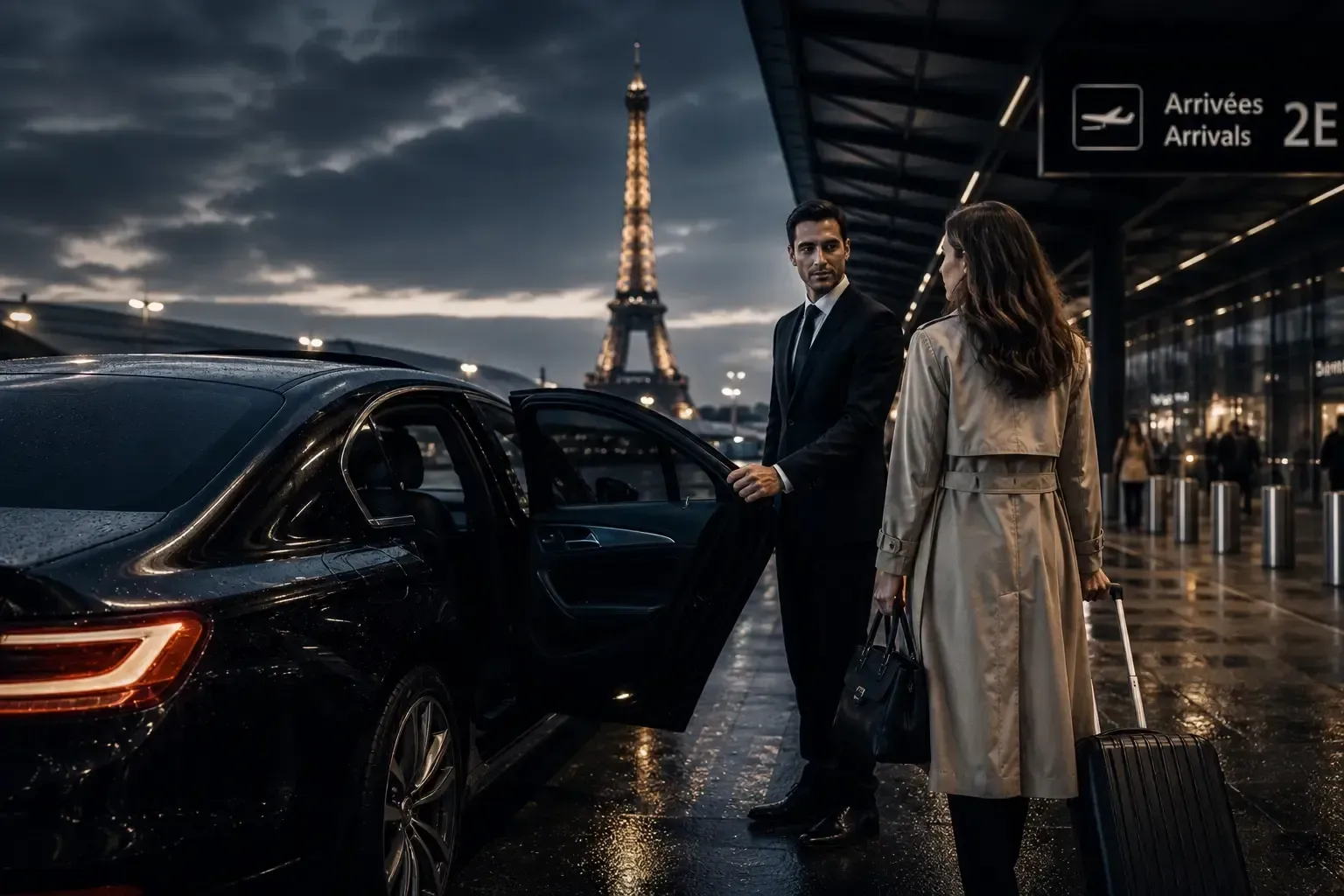
Transfer travel is a specialized segment of the vehicle for hire industry. It functions as a pre-arranged, point-to-point transportation service led by a professional chauffeur. Unlike on-demand taxis that you hail on the street after landing, a private transfer is secured before you leave home. This distinction is vital. It shifts the burden of logistics from the traveler to the service provider. You replace the uncertainty of the taxi queue with a structured, reliable arrival plan.
The industry organizes transportation options into specific tiers known as vehicle classes. Understanding different private transfer vehicle types allows you to match the car to your specific mission. Whether it's a solo business trip or a multi-generational family vacation, the vehicle class dictates the success of the journey. Choosing the right class ensures you get a vehicle that fits your group, your luggage, and your expectations for comfort.
The Logistics of Pre-Booked Reliability
Pre-booking guarantees that your chosen vehicle type is waiting for you upon arrival. Taxis often involve a "luck of the draw" scenario where you might end up in a cramped model or a car with insufficient trunk space. Understanding private transfer vehicle types is the first step in planning a stress-free trip. With a transfer, the class you select is the class you receive. This level of certainty is essential for international travel where local standards vary. Pre-booking typically includes:
- Guaranteed vehicle capacity for passengers and bags.
- Real-time flight monitoring and delay adjustments.
- Professional chauffeurs with local route expertise.
- Fixed pricing with no hidden arrival-day surcharges.
Reliability improves with integrated flight tracking. Chauffeurs monitor your arrival time in real-time and adjust for delays or early landings. You don't need to worry about calling the driver if your plane is late. Using a global provider like WazUp, which operates in 170+ countries with a verified local supplier network, ensures a consistent level of quality regardless of regional variations.
Transfer vs. Transit: Making the Right Choice
Public transit and shared shuttles often create more stress than they solve. Navigating a foreign subway system with heavy suitcases is a recipe for exhaustion. Shared shuttles involve multiple stops, turning a short trip into a long ordeal. Private transfers cater to your emotional and physical state by prioritizing comfort and immediate movement.
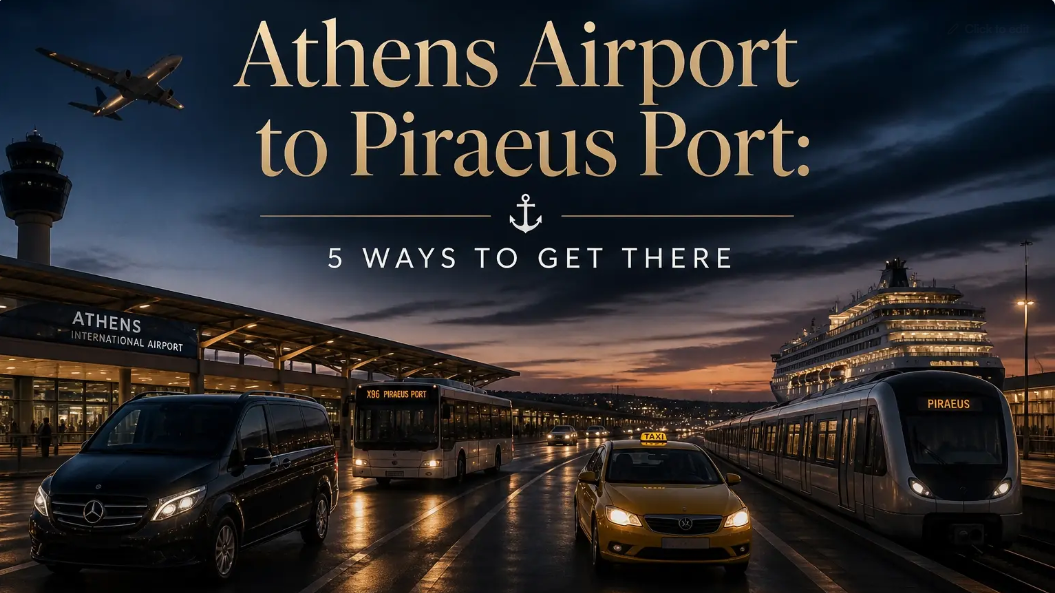
Our Athens airport and city transfer service eliminates terminal chaos by providing a direct, private link to your destination. This service is designed for those who value their time and need a seamless transition after a long flight. By choosing a private option, you bypass the crowds and the wait times associated with public transit. It's the most efficient way to maintain your momentum and arrive at your destination refreshed.
Sedan Classes: Economy, Standard, and Executive
Sedans represent the foundation of private transfer vehicle types . They're designed for efficiency and maneuverability in dense urban environments. While a standard sedan technically includes four passenger seats, we maintain a strict recommendation of three passengers maximum for long-distance comfort. This limit ensures that the middle seat remains empty, providing adequate shoulder room for everyone in the back. Trunk space is finite, and exceeding it is the most common cause of booking errors. A typical sedan trunk accommodates two large suitcases or one large suitcase and two carry-ons. Global standards for these vehicles often mirror regulatory frameworks, such as New York City's for-hire vehicle classes, which separate standard livery from premium black car services. When you book a sedan, you're selecting a specific level of vehicle age and interior quality. This categorization allows travelers to align their transport with their specific trip requirements.
Economy vs. Standard: Budgeting for Comfort
Economy vehicles are cost-effective for solo travelers or quick city hops. These cars are well-maintained but may be smaller compact models. Standard tier vehicles offer a significant step up in vehicle age and cabin space. At WazUp, we prioritize verified suppliers who keep their Standard fleets in peak mechanical condition. The Business Class standard ensures a late-model vehicle with enhanced rear-seat climate control and increased legroom for corporate travelers. If your trip involves more than 45 minutes of driving, the Standard class is the baseline for a professional experience.
The Executive Experience: Why it Matters
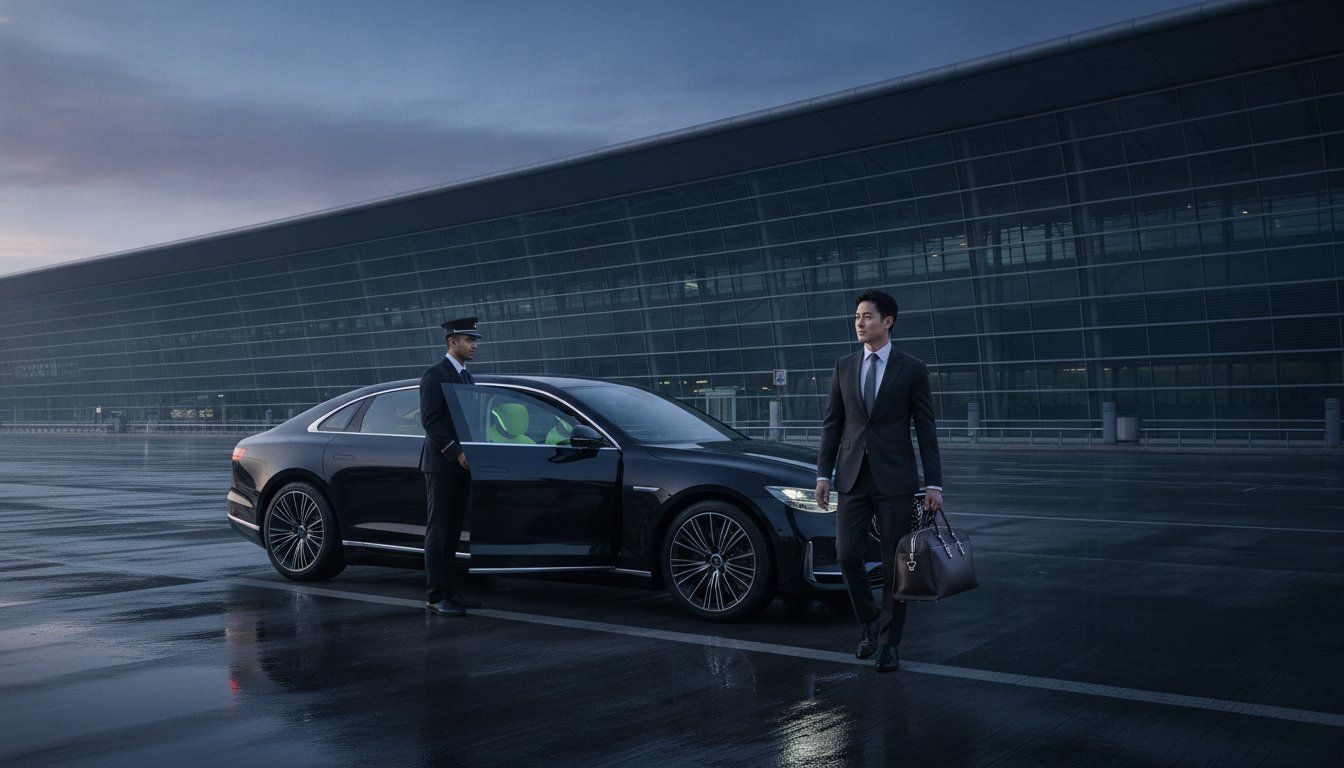
Executive and Business Class vehicles, such as the Mercedes E-Class, serve as mobile workspaces. These private transfer vehicle types often feature premium amenities like high-speed Wi-Fi and bottled water. The protocol is also elevated; an Executive chauffeur is trained in discreet service and assists with all luggage management. For those arriving on a London Heathrow airport transfer, the Executive tier provides the quiet environment needed to prepare for the day. You can view our full range of premium vehicles to find the right fit for your next destination.
SUVs and Minivans: Solving the Luggage Problem
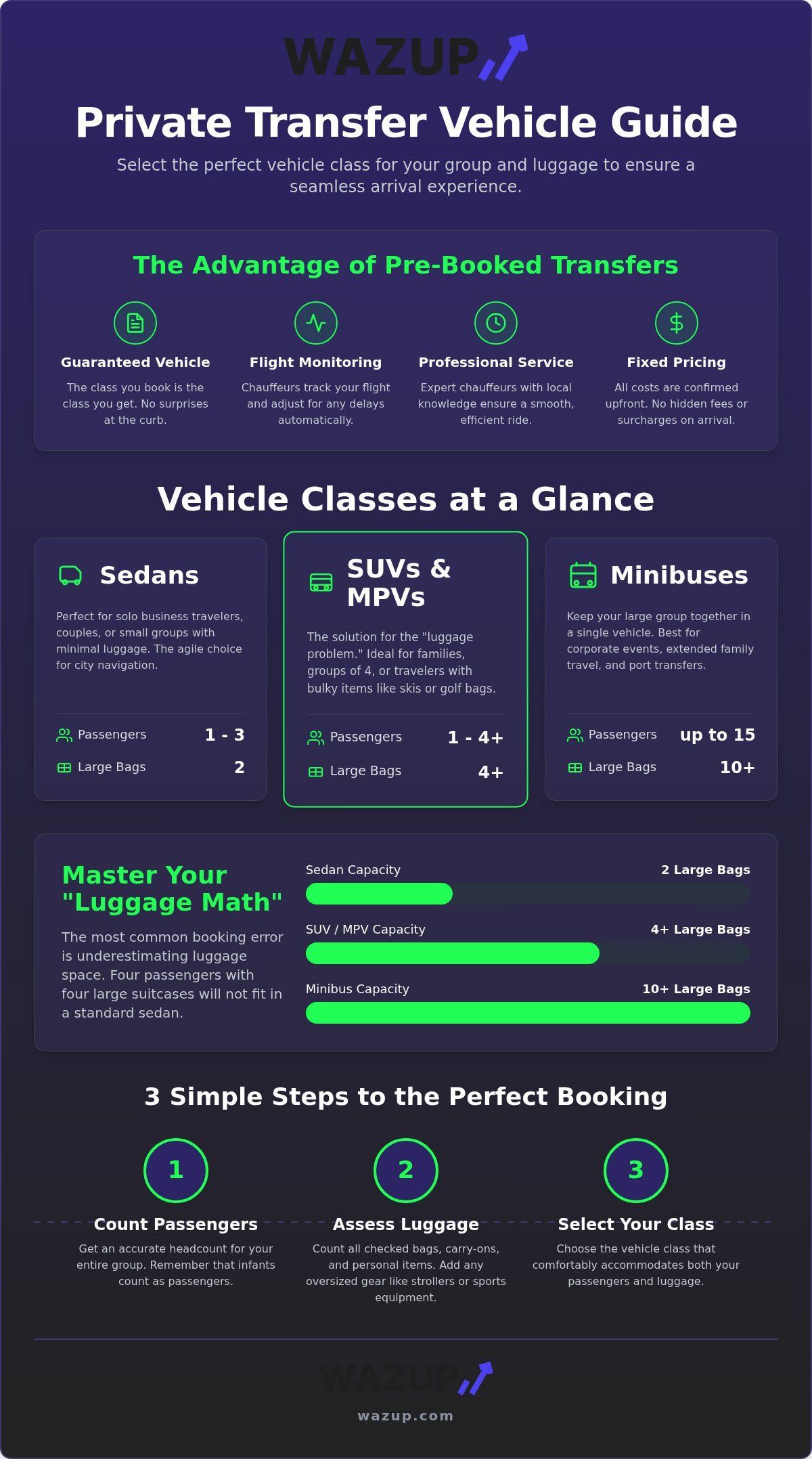
Selecting the right vehicle often comes down to what we call "Luggage Math." While a sedan might technically seat four people, it cannot physically accommodate four large suitcases. This is where many travelers encounter arrival-day friction. For a group of four with full-sized checked bags, an SUV or Minivan is the mandatory choice among private transfer vehicle types . These vehicles bridge the gap between passenger comfort and storage necessity, ensuring no one has to ride with a suitcase on their lap.
In many international markets, especially across Europe and Asia, the Multi-Purpose Vehicle (MPV) is the preferred solution. These vehicles are designed with a focus on vertical space and modular seating. While an SUV might offer a more rugged aesthetic, an MPV often provides superior interior volume. It's vital to distinguish between total seating capacity and "comfort capacity." A vehicle rated for six passengers might only fit two suitcases if all seats are in use. Always prioritize the luggage count over the passenger count when choosing your vehicle class.
The Family Travel Favorite: Standard SUVs
Families traveling with strollers, car seats, or sports equipment require the elevated clearance and expansive cargo areas of a standard SUV. These vehicles offer robust safety features and easier child seat installation than smaller cars. Our Barcelona VIP private secure airport transfer often utilizes these larger classes to accommodate families visiting the Mediterranean coast. The higher seating position also provides better visibility, which helps reduce motion sickness on winding coastal roads or during long city transits.
Minivans and MPVs: Maximum Utility
Minivans and MPVs prioritize accessibility. The inclusion of sliding doors makes entry and exit significantly easier for elderly travelers or those with mobility challenges. Unlike SUVs, which can have a high step-up height, MPVs are often designed for effortless transitions from the curb to the cabin. You'll find various configurations depending on the region, ranging from folding rear benches to dedicated trunk partitions that keep bags secure. The Mercedes V-Class remains the gold standard for global MPV transfers because it combines high-capacity storage with the premium interior of an executive sedan. This specific vehicle class ensures that even large groups with significant luggage requirements enjoy a refined, quiet journey to their destination.
Specialized Vehicles for Large Groups and Ports
Managing group travel requires more than just counting seats. Splitting a group of 12 into three separate taxis leads to coordination failures, varying arrival times, and increased stress. The Minibus and Sprinter classes solve this by consolidating everyone into a single, cohesive unit. These private transfer vehicle types are designed specifically for groups ranging from 8 to 16 passengers. Consolidating your party ensures that everyone arrives at the terminal or hotel simultaneously, simplifying the check-in process and keeping your itinerary on track.
For even larger delegations, corporate events, or organized tours, full-sized coaches provide a logistical backbone. These vehicles often seat between 30 and 50 passengers and feature extensive under-carriage storage. This storage is a critical requirement for groups with heavy baggage, such as sports teams or tour groups. By using a single large vehicle, you reduce the chauffeur-to-client ratio and centralize communication, making the entire transit phase more efficient and secure.
The Sprinter Class: Premium Group Transit
Mercedes-Benz Sprinters represent the premium tier of group transit. These aren't standard utility vans; they're refined executive environments. They feature high ceilings that allow for standing room, tinted windows for privacy, and advanced climate control systems to ensure passenger comfort in any weather. High-end corporate groups and wedding parties favor this class for its executive interior and premium audio capabilities. It allows for a shared group experience without compromising the luxury or professionalism found in smaller vehicle tiers. If you're coordinating complex port logistics, our Chauffeur Service for Cruise Ports guide provides deeper insights into these vehicle specifications.
Logistics for Cruise Port Transfers
Cruise passengers present a unique challenge known as the "Cruise Luggage" factor. Unlike a weekend city break, a two-week cruise often involves multiple large cases per person. This volume makes standard airport-to-hotel vehicle capacities irrelevant. A group of six on a cruise might need a 12-passenger minibus simply to house their baggage comfortably. Specialized routes, such as the Rome airport hotel to Civitavecchia cruise port, are built around these high-volume needs. Coordinating multiple pickups from different hotels into one port-bound vehicle streamlines the departure process and ensures the entire group reaches the gangway at the same time.
Reliability in port transfers is non-negotiable due to the strict departure schedules of cruise ships. Using a specialized group vehicle allows for a more organized loading process. The chauffeur can manage the luggage efficiently while passengers settle into the cabin. This structured approach prevents last-minute scrambles and ensures a calm, professional start to your maritime journey. We prioritize verified local suppliers who understand the specific entry points and security protocols at major global ports.
How to Choose Your Vehicle with Wazup
Choosing the correct car is a logical process based on your specific travel data. Accuracy during the booking phase prevents arrival-day delays and ensures your chauffeur can accommodate your entire party. Follow these four steps to select between the various private transfer vehicle types available in our global network.
- Step 1: Audit your group and gear. Be precise about the number of passengers and the exact count of checked bags. If your group of four has four large suitcases, you've outgrown the sedan class.
- Step 2: Factor in the journey time. For a 15-minute city hop, an Economy sedan is efficient. For a two-hour transit from an airport to a remote resort, the extra legroom of an SUV or Executive sedan becomes a necessity for physical recovery after a flight.
- Step 3: Verify regional availability. We operate in 170+ countries, but local vehicle models vary by continent. Our platform standardizes these into clear classes so you know the level of service to expect, whether you're in Tokyo or Paris.
- Step 4: Enhance the arrival. Integrate our VIP Fast Track service with your vehicle booking. This combination provides a seamless transition from the aircraft door to your waiting vehicle, bypassing terminal congestion entirely.
The Wazup Global Standard
We don't just facilitate rides; we manage a verified local supplier network to maintain high service standards. Every supplier undergoes a vetting process to ensure their fleet meets our strict age and maintenance requirements. If your plans change, our 24/7 customer support is available to handle last-minute vehicle adjustments or address logistical questions. Wazup provides consistent vehicle tiers across 170 countries, ensuring that a Business Class booking in London offers the same professional standard as one in New York. This global consistency is why high-end travelers trust us with their time-sensitive logistics.
Finalizing Your Transfer Travel Plan
Precision in your booking details is the final step in a successful arrival. Always provide your correct flight number; this allows our tracking system to alert your chauffeur to early landings or delays. Review the meeting instructions provided in your confirmation, as pickup points vary between international terminals and smaller regional hubs. Understanding the specific private transfer vehicle types and their capacities allows you to book with quiet confidence. Our cancellation policies are designed to be fair and transparent, giving you the flexibility needed for modern international travel.
Master Your Global Arrival Logistics
Success in international travel depends on precise planning. By matching your group size and luggage volume to the right private transfer vehicle types , you eliminate the risk of roadside delays or cramped conditions. Whether you require an Executive Sedan for a solo business trip or a high-capacity Sprinter for a cruise port transfer, selecting the appropriate class ensures a professional and efficient transition. It's the difference between a stressful arrival and a streamlined start to your itinerary.
Wazup facilitates these transitions through a network of verified suppliers in 170+ countries. Every booking includes integrated flight tracking and access to 24/7 customer support to manage any unexpected changes. You don't have to worry about local variations in quality; we maintain a global standard that prioritizes your time and comfort. This approach ensures that your transportation remains a reliable utility rather than a source of confusion.
Your next seamless journey starts with a single, well-informed choice. We're ready to manage the details so you can focus entirely on your destination.
Frequently Asked Questions
What is the difference between a standard sedan and a business class vehicle?
Standard sedans are reliable, modern models such as a Toyota Camry or Volkswagen Passat. Business class vehicles are premium models, typically a Mercedes-Benz E-Class or equivalent, featuring leather interiors and superior rear-seat legroom. Business class also includes higher-tier chauffeur protocol and additional amenities like bottled water. Choosing between these private transfer vehicle types depends on whether you need a simple transit or a quiet, mobile workspace.
How many suitcases can fit in a private transfer SUV?
A standard private transfer SUV typically accommodates four to six large suitcases. This capacity depends on whether the third-row seating is folded down. If you have five passengers and five large bags, you'll need to confirm the specific SUV configuration to ensure everything fits. Always prioritize the total bag count over the passenger count to avoid space issues at the curb.
Can I book a private transfer for a group of 10 people?
Yes, groups of 10 people are perfectly accommodated in our Minibus or Sprinter classes. These vehicles are designed specifically for larger parties and their associated luggage. Booking a single large vehicle is more efficient than coordinating multiple smaller cars. It ensures your entire group arrives at the destination simultaneously, which is essential for cruise departures or corporate events.
What happens if my luggage exceeds the vehicle capacity?
If your luggage exceeds the vehicle's physical capacity, the chauffeur may be unable to complete the transfer for safety reasons. Overloading compromises vehicle handling and visibility. You might be required to book an additional vehicle on the spot, which leads to delays and extra costs. Always be honest about your luggage count during the booking process to ensure a seamless transition.
Are child seats provided in all private transfer vehicle types?
Child seats are available for most private transfer vehicle types but must be requested during the booking process. We don't provide them automatically in every vehicle. Local laws regarding child safety vary by country, so specifying the age and weight of the child ensures the correct seat is ready. This pre-arrangement is vital for maintaining safety standards during your city or airport transfer.
Does the vehicle type affect the price of the airport transfer?
Yes, the vehicle class is a primary factor in the total cost of your transfer. Premium tiers like Executive Sedans and large Minibuses involve higher operational and maintenance expenses. Choosing a larger or more luxurious vehicle reflects a higher service level and increased capacity. You'll see the specific price for each class clearly displayed during the search and checkout process on our platform.
What is an MPV vehicle in the context of European transfers?
An MPV, or Multi-Purpose Vehicle, is a high-capacity car popular in Europe for its vertical space and modular seating. Models like the Mercedes V-Class or Volkswagen Multivan offer more room than a standard sedan without the bulk of a full-sized van. They're ideal for families or small groups who need extra luggage space but want to maintain a premium, car-like ride quality.
Can I request a specific vehicle model for my transfer?
You book a specific vehicle class, such as Executive Sedan or Minivan, rather than a specific make and model. While we often use models like the Mercedes E-Class for executive bookings, the exact car depends on local availability within our verified supplier network. We guarantee that the vehicle provided will meet or exceed the specifications and quality standards of your chosen booking tier.