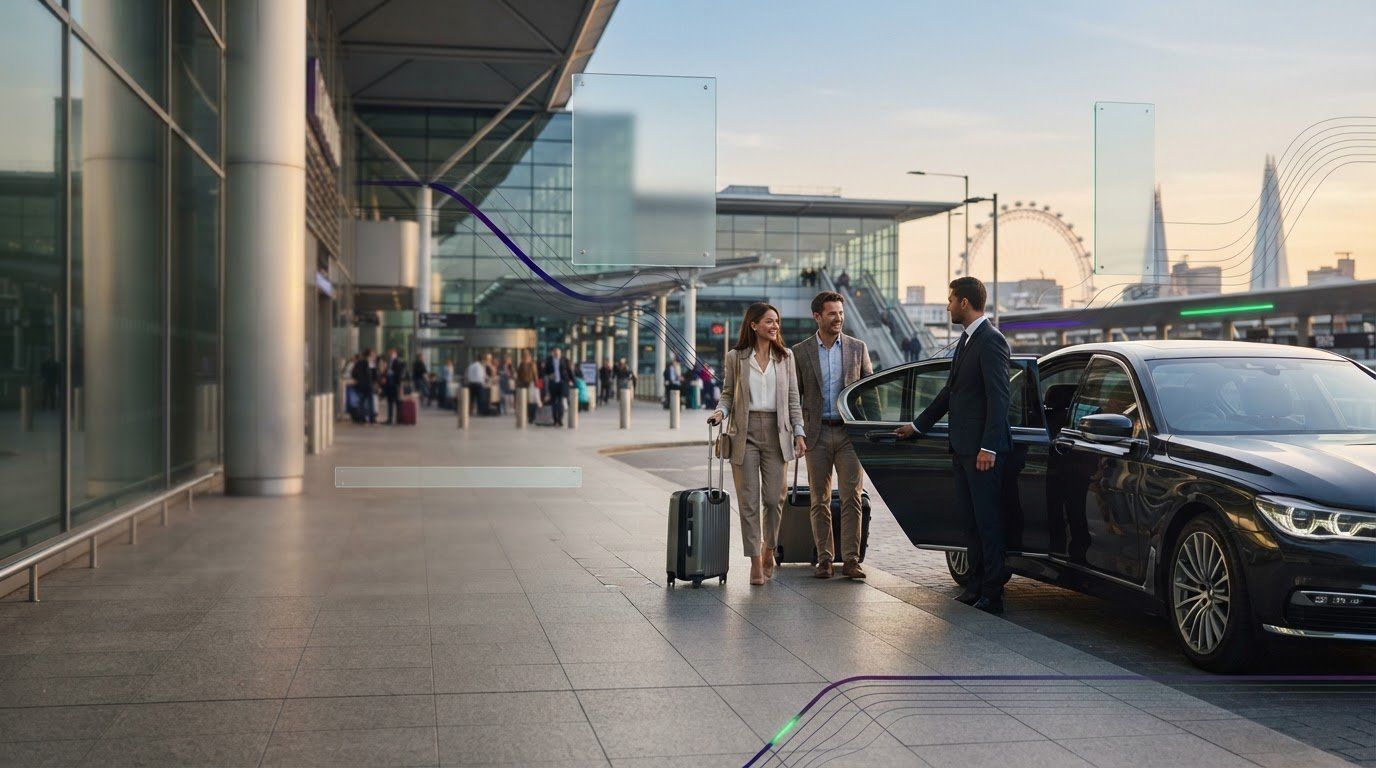
Wazup Global Airport, Train & Cruise Port Transportation
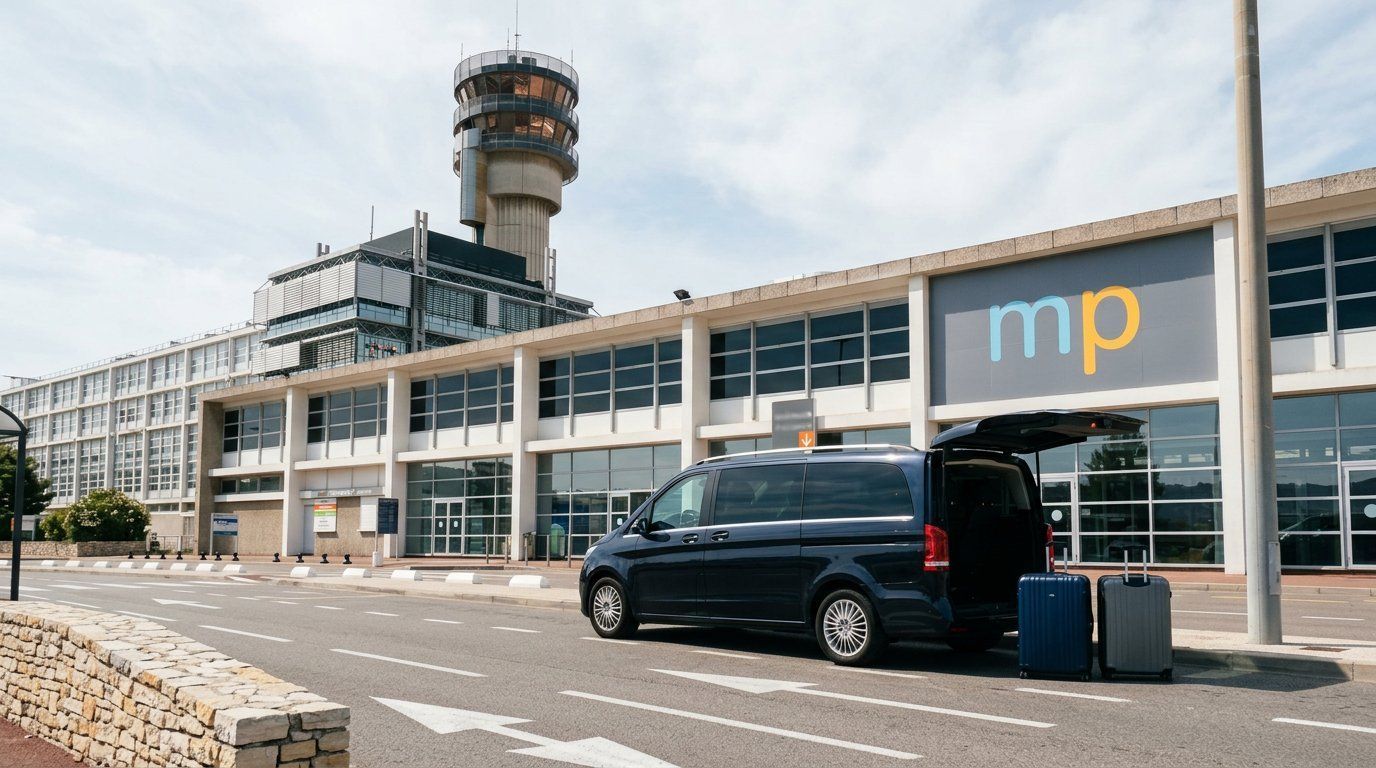
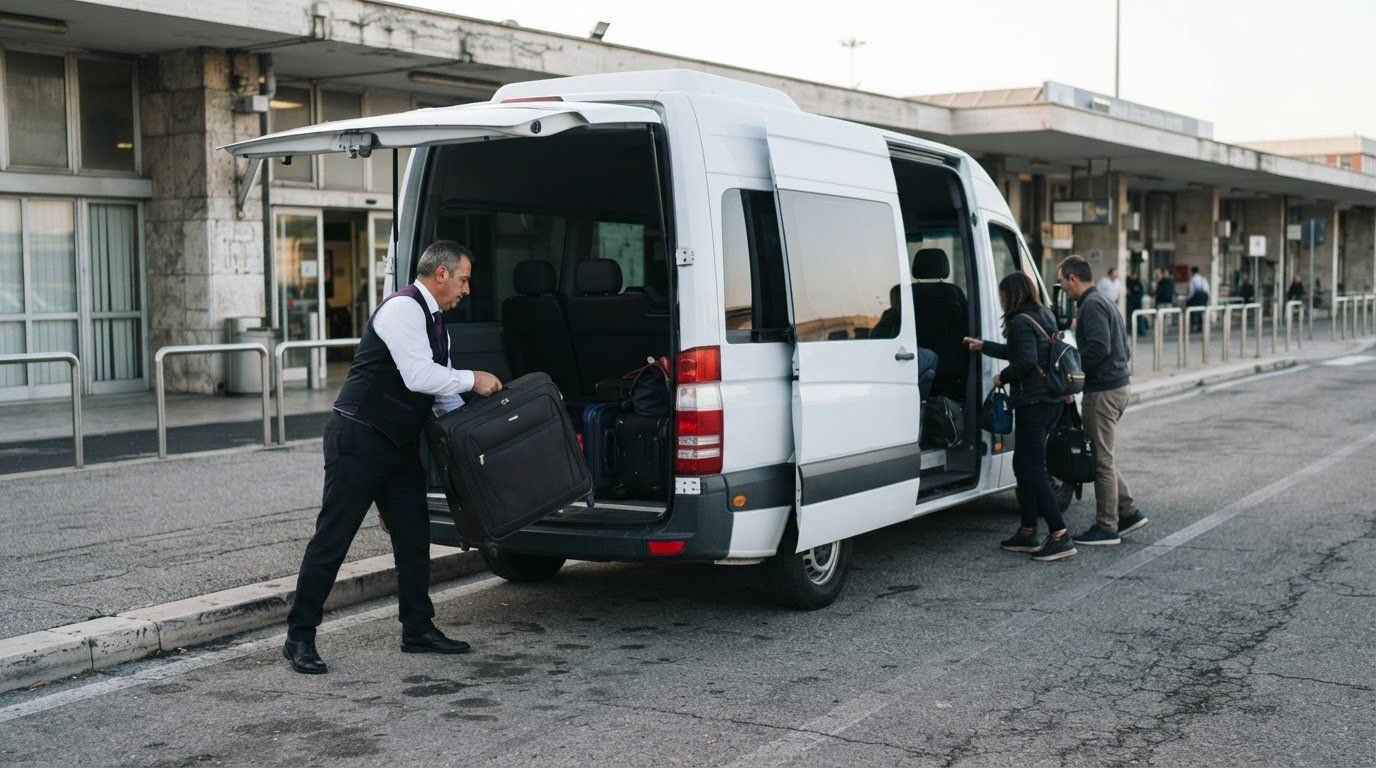
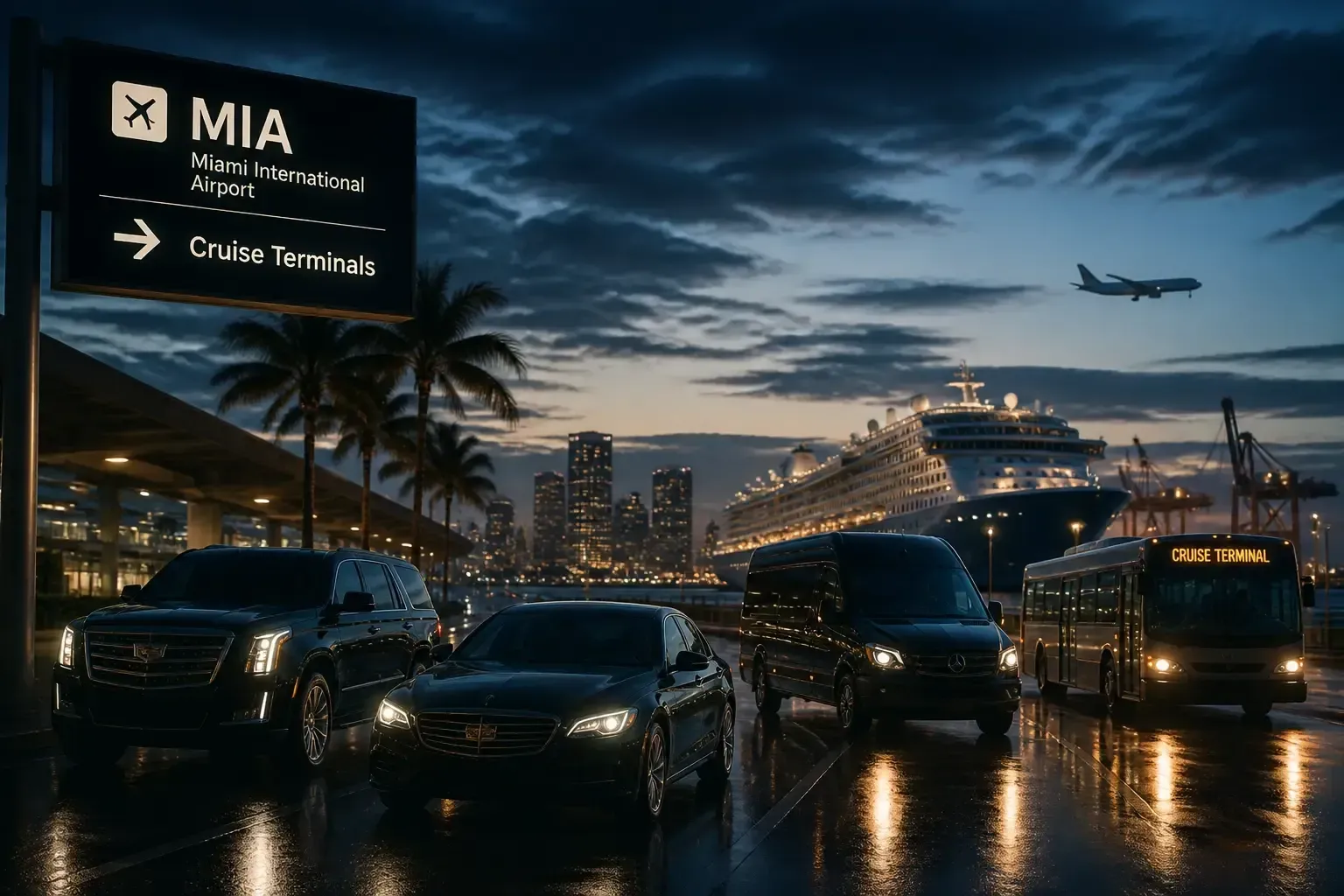


Global Transportation Service
LAX Private Airport Transfer: Why Pre-Booking Beats Every Other Option at Los Angeles
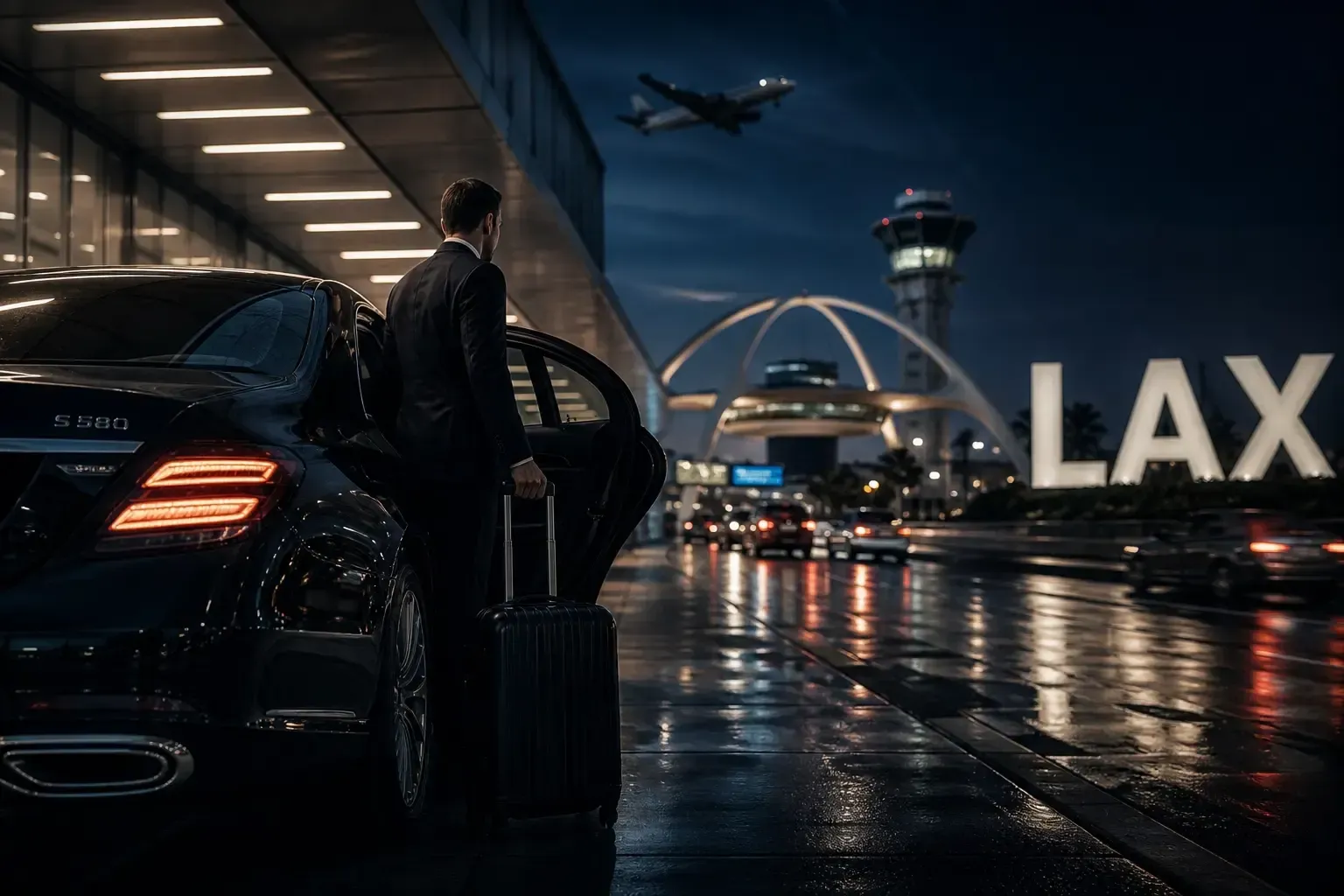
Every minute you spend circling LAX's curbside maze is a minute you did not budget for. Los Angeles International consistently ranks among the most stressful airports in the United States for ground transport, and recent infrastructure changes have made that reputation harder than ever to shake. The introduction of the Automated People Mover has reshuffled pickup zones across the complex, leaving travellers who relied on familiar routines suddenly scrambling for answers.
This post makes a specific, evidence-backed case that a pre-booked airport transfer at LAX is not simply a comfort upgrade. It is the only ground transport option that handles curbside congestion, shifting terminal logistics, and complex drop-offs to destinations like Hollywood Hills hotels or cruise terminals without introducing new variables. Drawing on February 2024 LAWA ground transport data, which logged 2.5 million vehicle movements at the airport, the analysis ahead covers rideshare pitfalls, the true cost of driving yourself, what Charter Transportation growth numbers signal about traveller behaviour, and a direct side-by-side comparison of every realistic option. By the end, the rational default should be obvious.
Why LAX Ground Transport Is Uniquely Punishing
Los Angeles International is not merely busy. It is structurally overwhelmed. LAWA's ground transportation data recorded 2.5 million vehicle movements in February 2024 alone, averaging 86,376 daily movements across all terminals. That volume is not a peak anomaly; it is the baseline.
The congestion has specific architecture. Private vehicles account for 66.2% of all ground transport movements, generating 1.66 million monthly trips. Even a modest surge in arrivals, triggered by a single delayed international bank of flights, creates compounding curbside gridlock across every terminal simultaneously. Transportation Network Companies add another 534,000 monthly pickups, concentrated into designated TNC zones that shift with operational demand rather than passenger convenience.
The LAX Automated People Mover has deepened the problem for on-demand users. The APM displaced rideshare pickups from terminal frontages to the remote LAX-it lot, meaning passengers must first ride the APM or a connecting shuttle before they can meet a matched driver. App ETAs rarely account for that added transit step accurately, and zone assignments have continued to evolve since the APM opened. For a detailed look at how these changes affect terminal-level pickups, the guide to navigating LAX in 2026 with VIP fast track and seamless terminal pickups maps the current reality in full.
The result: travellers relying on apps at LAX are solving a moving puzzle, in real time, with luggage in hand.
The Rideshare Trap: What TNCs Get Wrong at LAX
The navigation challenge described in the previous section is only part of the rideshare problem at LAX. The deeper issue is structural: despite TNCs holding 21.3% of LAX ground transport trips, year-over-year growth had slowed to just 3.8% as of February 2024. Passengers who have experienced rideshare at this airport are quietly voting with their bookings.
The cost problem compounds the friction problem. TNC surge pricing is calibrated to demand peaks, and LAX's peaks are predictable: morning international arrivals, the evening domestic rush, any weather event compressing curbside access. These are precisely the moments most travellers land. A fare that looked reasonable when you booked your flight can double or triple by the time you reach baggage claim.
The operational sequence is also more demanding than most passengers anticipate. You must navigate the post-APM terminal environment to the LAX-it pickup lot, identify your driver by plate in a crowded staging area, and coordinate a moving arrival window while managing luggage and competing with hundreds of other passengers simultaneously.
Drivers unfamiliar with post-APM zone configurations have been reported circling or cancelling outright. When a cancellation forces a re-request, the passenger absorbs the time loss and any revised surge rate triggered by the renewed demand signal.
For travellers connecting directly to a cruise departure from the Port of Los Angeles, that sequence carries real consequences. A cancelled match is not a recoverable inconvenience; it is a potential missed embarkation. Exploring how Wazup Global Airport, Train & Cruise Port Transportation approaches hard-deadline transfers illustrates why pre-confirmed pickup removes every variable that rideshare leaves open.
Driving Yourself: The Hidden Costs of Private Vehicles at LAX
Rideshare frustrations are well-documented, but the assumption that driving yourself is the practical alternative deserves equal scrutiny.
Private vehicles account for 66.2% of all LAX ground transport movements, yet that dominance reflects habit rather than deliberate cost analysis. Most travelers default to a personal or rental vehicle without calculating the full time and dollar exposure in that choice.
Parking adds friction before you even leave the airport. LAX's parking structures are accessed via the Automated People Mover, meaning every driver must complete an APM journey before reaching their vehicle. Lot availability is not guaranteed during peak arrivals, and the people-mover leg is an unplanned time cost that rarely features in pre-trip planning.
The cruise port run compounds the problem. A transfer from LAX to the World Cruise Center in San Pedro or the Port of Los Angeles covers 25 to 35 miles along the I-110 corridor. Morning embarkation windows align almost perfectly with peak-hour congestion on that route, with no buffer if traffic runs long.
Rental cars carry hidden cost exposure. Return procedures require arriving early enough to clear the facility and reach the terminal, and one-way drop fees can eliminate any price advantage over a pre-booked service.
Group travel changes the economics entirely. For families or colleagues traveling with significant luggage, the per-person cost once parking, fuel, and fees are distributed frequently exceeds a single fixed-rate transfer from a service like Wazup Global Airport, Train & Cruise Port Transportation covering the entire group under one confirmed booking.
What the Charter Transport Growth Numbers Actually Signal
The habit and cost concerns around private vehicles tell part of the story. Official LAWA data completes it.
Charter Transportation (TCP) at LAX grew 21.3% year-over-year in February 2024, while TNCs grew only 3.8% across the same period. That is a growth differential of more than five to one, and it is the strongest directional signal available in official airport authority data.
The absolute numbers add context. Charter TCP logged 128,827 monthly trips at LAX in February 2024, representing just 5.1% of overall ground transport market share. A small segment growing at five times the rate of the dominant segment does not signal a statistical anomaly. It signals a satisfaction gap that the dominant option is not closing.
That gap has a structural explanation. Pre-booked services within the Charter TCP category operate on confirmed reservations rather than algorithmic matching. A fixed fare is set before the passenger lands. A named driver is assigned in advance. Surge pricing is not a variable because demand fluctuation never enters the transaction.
For lax transportation planning, growth rate is a more honest metric than market share. Market share reflects accumulated habit. Growth rate reflects active, deliberate choice, specifically the choices of travellers who have already used rideshare at LAX and selected differently on a subsequent trip. Understanding the value of pre-booked chauffeur-driven airport transfers is not a niche consideration; it is what 21.3% annual growth looks like in revealed-preference terms.
How the LAX Automated People Mover Changes the Ground Transport Equation
That growth shift reflects a structural problem the APM has made concrete.
LAX's Automated People Mover connects all terminals to the consolidated rental car facility, remote parking structures, and transit hubs via dedicated stations. That connectivity came with a trade-off: rideshare pickups are no longer permitted at terminal frontages. TNC passengers must travel to the remote LAX-it lot, via the APM or a shuttle, before meeting their matched driver.
That added step is the friction point most app-based ETA calculations do not absorb. When a rideshare app estimates your pickup time, it is not accounting for the minutes spent reaching LAX-it after baggage claim. By the time you arrive, your driver's queue position has shifted and the ETA you saw at the arrivals hall is already stale.
A pre-booked private chauffeur operates on different logic. The driver receives confirmed terminal intelligence at booking, monitors your flight's actual arrival in real time, and is briefed on current APM access rules before your wheels touch the runway. The plan is made before you land.
For an airport transfer from LAX that includes a hotel drop-off in Hollywood Hills, Beverly Hills, or Downtown Los Angeles, that pre-confirmation matters beyond the pickup itself. The full route, including intermediate stops, is fixed at booking. No destination entry at curbside, no in-app negotiation while managing luggage in a crowded lot.
The APM has sorted LAX ground transport into two categories: services that solve routing problems in real time and services that arrive with the routing already solved. Pre-booked transfers belong to the second group.
Transfer from LAX to Cruise Terminal: Where Pre-Booking Is Non-Negotiable
The APM divide applies with double force when your next stop after LAX is a cruise ship. A transfer from LAX to cruise port, whether to the Port of Los Angeles in San Pedro or the Port of Long Beach, covers 25 to 35 miles on the I-110 corridor, where morning embarkation traffic leaves no margin for a driver who misreads a berth assignment or circles while a surge rate climbs.
Cruise lines publish hard check-in deadlines, typically 90 minutes before sailing, and that window is absolute. The ship does not hold for a delayed rideshare match. A single ground transport failure at LAX translates directly to a missed voyage, with no rebooking path and full fare forfeited.
For a transfer from LAX to cruise terminal, the comparison is straightforward. A pre-booked private chauffeur arrives at a confirmed time, tracks your flight's actual landing, and drives a fixed route to the specific terminal berth. An on-demand alternative matches a driver after you land, quotes a price based on demand at that moment, and routes to a generic port address rather than a named berth.
The stakes compound when an international arrival feeds into a same-day or next-morning embarkation, where an inbound flight and a cruise departure share the same calendar day, making the cost of transport failure vastly higher than any fare difference.
Wazup covers this itinerary directly. As part of its Wazup Global Airport, Train & Cruise Port Transportation network spanning 169 airports worldwide, Wazup offers fixed-price LAX-to-cruise-port bookings with real-time flight monitoring and named chauffeur confirmation before you leave the arrivals hall.
Side by Side: Pre-Booked Private Transfer vs. Every Other LAX Option
The cruise terminal case illustrates the stakes clearly. The same logic applies across every LAX ground transport decision, not just the highest-pressure ones.
Factor
Pre-Booked Private Transfer
TNC (Rideshare)
Rental Car
Pricing
Fixed fare locked at booking
Dynamic surge, unknown at landing
Variable: fuel, return fees, one-way charges
Driver coordination
Flight-monitored, terminal-confirmed before arrival
Algorithmically matched at request; cancellations possible
Self-navigated
Multi-stop capability
Confirmed at booking: hotel, cruise port, business address
Manual in-app additions; acceptance not guaranteed
Flexible but adds navigation burden
Group and luggage
Vehicle class confirmed at booking
Subject to availability and driver acceptance at match
Fixed to reserved vehicle class
Congestion buffer
Chauffeur waits; delay cost absorbed by driver
Passenger joins queue from baggage claim
Parking lot delays compound before departure
At 86,376 daily vehicle movements, every minute of LAX curbside congestion compounds. A TNC passenger starts the clock when they open the app at baggage claim; a pre-booked passenger steps into a confirmed vehicle.
For a deeper walkthrough of the booking process itself, booking your private transfer with WazUp covers what to expect from reservation through chauffeur confirmation.
On every measurable variable, the pre-booked airport private transfer removes a risk that each alternative leaves open.
How to Book a Pre-Booked Private Transfer from LAX with Wazup
The comparison above makes the case. Here is how to act on it.
Step 1: Go to wazup.com and enter LAX as your pickup airport. Add your arrival terminal if your itinerary shows it, then enter your destination: a hotel address, a business location anywhere in Greater Los Angeles, or the Port of Los Angeles for a cruise transfer.
Step 2: Select the vehicle class that fits your group and luggage. Wazup's inventory runs from standard sedans through larger passenger vehicles. Every option is quoted at a fixed price with no surge mechanism, so the fare you see at booking is the fare you pay.
Step 3: Enter your flight number. Wazup monitors live flight data, so your assigned chauffeur tracks your actual arrival time rather than your scheduled one. Early landings, delays, and gate changes are all covered without any action required from you.
Step 4: Receive your driver confirmation before you travel. You get contact details, vehicle registration, and a fixed meet point that reflects current post-APM LAX access rules, not a generic curbside instruction.
Step 5: For a transfer from LAX to cruise port, specify your cruise line or terminal berth at checkout. This ensures routing is confirmed to the correct facility at the Port of Los Angeles or Port of Long Beach rather than a generic port address that could send a driver to the wrong berth on embarkation morning.
The Rational Default for LAX Ground Transport
The data has already delivered a verdict. Charter TCP at LAX is growing at more than five times the rate of on-demand rideshare, inside a market processing 2.5 million vehicle movements every month. Those switching passengers are not making a theoretical choice; they have lived the post-APM coordination problem firsthand and chosen a different system.
That shift has a specific cause. The APM's consolidation of curbside access turned TNC pickup into a multi-step navigation exercise for every arriving passenger. What once required opening an app now requires locating a shuttle, reaching the LAX-it lot, and matching a driver under time pressure. For leisure travel with flexible timing, that friction is manageable. For any itinerary with a hard deadline, particularly a transfer from LAX to cruise terminal, it is a genuine schedule risk with no recovery option if it fails.
A pre-booked private transfer removes that risk category entirely. Fixed pricing eliminates surge exposure. Live flight tracking means the chauffeur adjusts to your actual wheels-down time, not your scheduled arrival. Named driver confirmation means no curbside matching, no cancellation roulette, and no wrong-terminal confusion.
Wazup's network covers LAX alongside 168 other airports globally, so the same pre-booked, fixed-cost logic applies wherever your itinerary takes you next.
Book before you fly. That single step converts LAX, one of the highest-volume and most logistically demanding ground transport environments in the country, into a confirmed, tracked, fully costed itinerary that is already in motion before you land.
Conclusion
LAX is not a forgiving environment. Rideshare surge pricing, TNC lot delays, parking costs, and post-APM navigation friction combine to make every unplanned ground transport decision more expensive and more stressful than it needed to be.
The evidence points in one direction. Pre-booked private transfers deliver fixed pricing, live flight tracking, named driver confirmation, and zero curbside matching uncertainty. For time-sensitive itineraries, particularly a transfer from LAX to cruise terminal, no other option offers the same reliability.
The decision is simple: one booking before departure converts LAX's logistical complexity into a confirmed, costed, and actively monitored transfer that begins working for you the moment your flight departs.
Wazup covers LAX and 168 airports worldwide. Book your private transfer today and arrive knowing the hardest part of your journey is already handled.